Social Media Addiction and Its Impact on Children’s Mental Well-being
✍️ Rohma Imran Student (6th Semester BS Clinical Psychology)
📅 2026-04-21 09:02:17
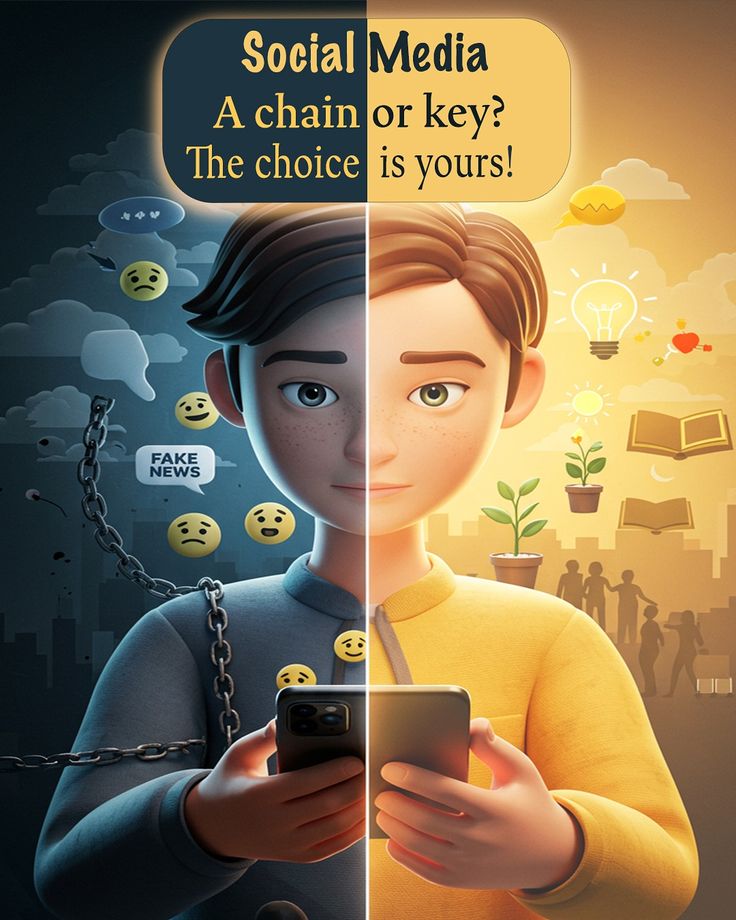
Social Media Addiction and Its Impact on Children’s Mental Well-being
Social media is an internet-based form of communication that allows users to interact, share information, and engage in conversations. These platforms are widely used by children not only for communication but also for entertainment and learning.
While social media has many benefits, excessive use can also have negative effects on children’s psychological, social, and academic development.
Negative Effects of Social Media
High usage of social media is associated with several harmful effects, including:
- Irritability and Low Mood
- High use of social media can increase irritability and cause low mood in children. Continuous exposure to online content, comparison with others, and constant stimulation from notifications can affect emotional balance, making children more sensitive, easily frustrated, and less satisfied with real-life experiences, which may reduce overall emotional well-being.
- Poor Cognitive and Socio-Emotional Development
- It can negatively affect thinking ability, learning, and emotional understanding. Excessive use may reduce attention span, weaken memory, and limit critical thinking skills. It can also hinder emotional regulation and reduce the ability to understand and respond appropriately to social situations and others’ emotions.
- Reduced Academic Performance
- Excessive use of social media can reduce focus on studies and academic tasks. It often leads to procrastination, distraction during study time, and poor time management, which results in weak concentration in class, incomplete assignments, and ultimately lower academic achievement.
- Social Comparison
- Children compare their lives, appearance, and achievements with others on social media. This continuous exposure to idealized images and lifestyles can lead to feelings of inadequacy, reduced self-confidence, jealousy, and dissatisfaction with their own life.
- Unrealistic Lifestyles
- Social media often presents highly edited and idealized versions of life that do not reflect reality. Children may begin to believe these portrayals are normal, which creates unrealistic expectations about success, beauty, and happiness, often leading to disappointment when real life does not match these standards.
- Decreased Face-to-Face Interaction
- Excessive online communication reduces real-life social interaction. Children may become more comfortable in virtual communication and less confident in face-to-face settings, which can weaken interpersonal skills, reduce social confidence, and affect relationship-building abilities.
- Sleep Disturbances
- l Overuse of social media, especially at night, can disrupt normal sleep cycles. Continuous screen exposure and mental stimulation delay sleep onset, reduce sleep quality, and may lead to fatigue, lack of focus, and reduced energy during the day.
- Influence of Negative Role Models
- l Children may imitate behaviors of online influencers without critical evaluation. Exposure to harmful or inappropriate content can shape their attitudes, values, and habits, which may negatively influence personality development and long-term behavior patterns.
Positive Effects of Social Media
Despite its risks, social media also has several positive aspects:
- Enhances Creativity and Learning
- Social media allows children to explore new ideas, share creative content, and learn different skills. It exposes them to diverse perspectives and activities that help improve imagination and encourage innovative thinking in everyday learning.
- Educational Platforms Provide Useful Learning Content
- Platforms like YouTube and other educational websites offer a wide range of videos, lectures, and resources on different subjects. These tools make learning easier, more interactive, and visually understandable, which helps children grasp complex topics effectively.
- Helps Children Learn Communication Skills
- Through online interaction, children learn how to express their thoughts clearly and communicate with others in different contexts. It helps improve their language skills, confidence in expressing opinions, and ability to interact in social and academic settings.
- Connects Students with Mentors for Career Guidance
- Social media enables students to connect with teachers, professionals, and experts from various fields. This provides them with valuable guidance, motivation, and information about future education and career opportunities.
- Supports Critical Thinking through Academic Use
- When used for educational purposes, social media encourages students to analyze information, compare ideas, and think deeply. It helps develop their ability to evaluate content critically and make informed decisions while learning.
Impact on Life
Excessive use of social media may lead to:
- Addiction
- Excessive use of social media can lead to addiction. It makes children dependent on social media and reduces their ability to control screen time. Over time, they may feel the need to constantly check notifications, which can interfere with daily routines, studies, sleep patterns, and overall productivity.
- Weak Eyesight
- Long hours of screen time can strain the eyes. Continuous exposure to mobile and computer screens may cause eye fatigue, dryness, blurred vision, and long-term vision problems. Lack of proper breaks can further increase discomfort and reduce eye health.
- Poor Academic Performance
- Too much use of social media can distract students from studies. It reduces concentration, increases procrastination, and affects time management skills. As a result, students may not complete assignments on time and their academic performance may decline.
- Mental Health Issues
- Excessive social media use can increase stress, anxiety, and low mood. Continuous comparison with others, cyber pressure, and negative content can affect emotional stability. This may lead to reduced self-esteem and overall psychological well-being.
- Social Isolation
- Children may spend more time online than interacting in real life. This reduces face-to-face communication, weakens interpersonal skills, and can lead to loneliness. Over time, it may become difficult for them to build and maintain real-world relationships.
Solutions
To reduce negative effects, the following strategies can be helpful:
- Setting Time Limits for Screen Use
- l Limiting screen time helps children avoid excessive use of social media. It allows them to maintain a healthy balance between online and offline activities. This improves focus on studies, supports better sleep patterns, and promotes overall physical and mental well-being.
- Encouraging Creative Activities
- Involving children in creative work such as drawing, writing, crafts, or arts helps reduce dependency on social media. It enhances imagination, develops problem-solving skills, and provides a healthy outlet for self-expression.
- Spending More Family Time
- Family interaction provides emotional support and reduces the need for online engagement. Regular communication with family members strengthens emotional bonding, improves behavior, and helps children feel more secure and understood.
- Engaging in Hobbies and Physical Games
- l Physical activities and hobbies keep children active, healthy, and mentally refreshed. They improve physical fitness, reduce stress, and help in developing discipline, teamwork, and time management skills while reducing screen dependency.
- Providing a Healthy and Supportive Environment
- A positive and supportive environment at home helps children feel safe, valued, and emotionally stable. It encourages balanced use of technology, reduces stress, and promotes healthy psychological and social development.
Clinical Psychology Perspective
As a student of clinical psychology, children require emotional support, attention, and strong family involvement for healthy development. Adequate family time and emotional bonding help reduce the likelihood of excessive dependence on social media, as children feel more secure and emotionally fulfilled in real-life relationships.
Social media itself is not inherently harmful; however, its excessive use can negatively affect children’s mental, physical, and social well-being. It may lead to emotional imbalance, reduced social interaction, and unhealthy behavioral patterns if not used in moderation and with proper guidance.